← All women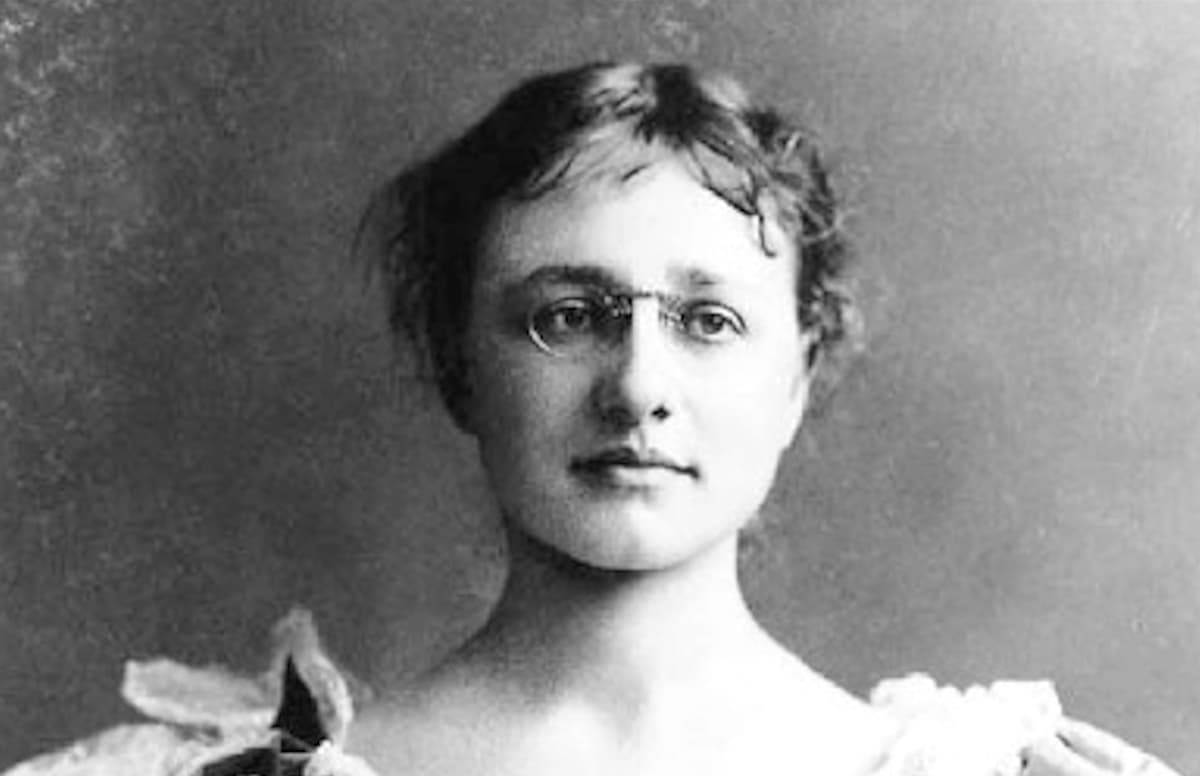
American · Politics · Literature
Mary Parker Follett
September 3, 1868 – December 18, 1933
Early Life and Background
Mary Parker Follett was born on September 3, 1868, in Quincy, Massachusetts. She was the daughter of a wealthy family with deep educational roots, which allowed her to pursue a substantial education at a time when opportunities for women were limited. Follett attended Thayer Academy and later the Society for Collegiate Instruction of Women, which was affiliated with Harvard University, despite being denied a degree due to her gender. Her formative years were marked by a keen interest in sociology and political theory, which informed her future work in organizational theory.
Career Beginnings and Development
Follett's career began in the field of social work. Her early efforts were primarily focused on community centers, where she studied the relationship between community dynamics and the individual. She published her first work, "The Speaker of the House of Representatives" in 1896, bringing her attention to the public eye. Over time, Follett began to apply her insights into group dynamics and democratic governance to businesses and organizations, laying the foundation for her future theories in management.
Major Works and Accomplishments
One of Follett's most significant contributions to management theory is her work on the law of the situation, which emphasizes adaptability and situational leadership, rather than adherence to authority. Her book, "The New State" (1918), proposed a community-based solution to social problems, advocating for cooperative interactions. Her later work, "Creative Experience" (1924), explored the role of experience in shaping behavior and organizations. Follett's ideas on power-with rather than power-over in leadership have had lasting implications in the study of leadership and management.
Recognition and Honors
Although Follett did not receive significant recognition in her lifetime, her work gained prominence posthumously. Her contributions are often discussed in leadership and management studies today, earning her titles like "The Mother of Modern Management." The International Leadership Association honors her legacy through the Mary Parker Follett Award, recognizing outstanding contributions to the study of leadership.
Personal Life
Little is known about Follett's personal life in terms of relationships, as she remained unmarried and devoted much of her life to her work. Her friendships and professional relationships, however, were substantial, influencing many future leaders and scholars in management and political science.
Legacy and Historical Impact
Follett's concepts of power-sharing, participatory management, and conflict resolution have formed the bedrock for modern management theories. Her insistence on integrating people and circumstances into decision-making processes has influenced both public policy and corporate practices. Today, Follett's work is frequently revisited in discussions concerning democratic governance and organizational behavior.
Later Life and Death
Mary Parker Follett continued to lecture and publish her insights until her death on December 18, 1933, in Boston, Massachusetts. Her ideas on collaborative management remain influential, attracting rediscovery in various managerial disciplines globally, affirming her position as a pioneering intellect in her field.
Dated achievements
2 indexed.
- Sep031868Politics
Birth of Mary Parker Follett
Mary Parker Follett was born on September 3, 1868, in Quincy, Massachusetts, later becoming a pioneering political and management theorist.
View details Mary Parker Follett - Wikipedia - Dec181933Politics
Death of Mary Parker Follett
Mary Parker Follett died on December 18, 1933, in Boston, Massachusetts, leaving a legacy as a pioneer of modern management theory and community organizing.