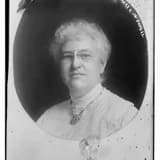
On September 15, 1894, McDowell opened the University of Chicago Settlement House in the Back of the Yards neighborhood to serve packinghouse worker families.
In September 1894, Mary McDowell established the University of Chicago Settlement House in the notorious 'Back of the Yards' neighborhood adjacent to the Union Stock Yards, one of the most polluted and impoverished industrial districts in the United States. Backed by the University of Chicago and inspired by Jane Addams's Hull House model, McDowell moved into the settlement herself, living among the immigrant families she served.
The neighborhood, populated largely by Eastern European, Irish, and later African American immigrants working in the meatpacking industry, suffered from contaminated water, open sewage (the infamous 'Bubbly Creek'), poor sanitation, and dangerous working conditions. McDowell's settlement house provided kindergartens, English classes, a public bath house, playgrounds, and meeting spaces for labor organizing.
This work established her as a central figure of the Progressive Era settlement movement, alongside Jane Addams and Ellen Gates Starr. Unlike some contemporaries, McDowell focused intensely on environmental and industrial hazards specific to the stockyards, eventually leading successful campaigns for garbage collection reform and public health improvements in Chicago.
Her decades of residence and leadership at the settlement (she remained associated with it until the 1930s) made her one of the most respected reformers in Chicago, earning her the nickname 'the Angel of the Stockyards' from grateful residents.