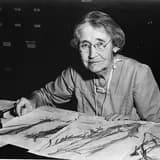
Carnegie Institution of Washington published Mary Agnes Chase’s monograph "Grasses of the West Indies," a landmark study of Caribbean grasses.
On 10 August 1917, the Carnegie Institution of Washington published Mary Agnes Chase’s major monograph "Grasses of the West Indies" as part of its scientific series.[4][16] This work systematically documented and classified the grass flora of the Caribbean, synthesizing herbarium material and extensive field collections from islands across the region.
Chase’s treatment provided detailed descriptions, identification keys, and notes on distribution and ecology at a time when Caribbean botany was still underdeveloped.[4][12] The monograph helped standardize names and concepts for West Indian grasses, facilitating comparative research in tropical biology and supporting agricultural and conservation efforts in colonies and newly independent states. It also showcased her ability to work across languages and national collections, incorporating specimens from American and Latin American institutions.
Professionally, the Carnegie publication further confirmed her status as an authority in agrostology, complementing earlier collaborations with Albert Spear Hitchcock on North American Panicum and her USDA monograph on tropical grasses.[1][12] As a woman scientist with no formal degrees, obtaining support from a prestigious private research institution like Carnegie was notable, indicating that her scholarship could command respect outside government channels. "Grasses of the West Indies" remains an important historical resource for understanding Caribbean grass diversity and exemplifies how Chase’s taxonomic rigor helped build modern tropical botany.[4][12][16]