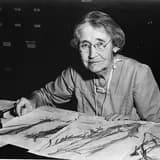
Macmillan published Mary Agnes Chase’s "First Book of Grasses," a widely used beginner’s guide to grass structure and taxonomy.
On 7 September 1922, Mary Agnes Chase’s accessible handbook "First Book of Grasses: The Structure of Grasses Explained for Beginners" was published by Macmillan.[1][5][12] Written for students, farmers, and amateur naturalists, the book demystified grass morphology and taxonomy with clear explanations and illustrations, drawing on Chase’s long experience in both scientific research and botanical illustration.
The text introduced readers to basic structures such as spikelets, florets, and inflorescences, and explained how to use these features for identification.[1] At a time when grasses were often seen as technically daunting and neglected in introductory botany, "First Book of Grasses" opened the field to a broader audience. It quickly became a widely used teaching tool in North America and beyond, influencing generations of botanists and agronomists.[5][10]
Historically, the book is significant as one of the earliest modern popular treatments of grass morphology authored by a woman scientist. Chase used it to bridge elite and applied science, supporting agricultural education and conservation work while also offering an entry point into more advanced agrostology.[2][12] Its success helped solidify her reputation not only as a leading taxonomist but also as an educator committed to expanding access to botanical knowledge. The volume remains frequently cited in biographical accounts as her best-known work, emblematic of her dual roles as researcher and public communicator of science.[1][5][12]