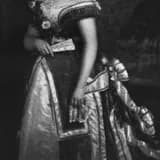
Death of Martha Jane Coston, inventor of the Coston flare, in Pennsylvania after a career transforming maritime night signaling.
On July 9, 1904, Martha Jane Coston died at the age of 77, closing a life that had profoundly reshaped maritime safety and women’s place in technology.[1][2][6][7] She died in PennsylvaniaPhiladelphia
By the time of her passing, the Coston flare and its derivatives were credited with saving thousands of lives at sea, including dramatic Civil War rescues such as the 1861 saving of more than 500 people from the troop transport Governor.[10][12] The company she had built persisted into the early twentieth century, supplying pyrotechnic signals to governments, shipping firms, and yacht clubs.[5][6] Her death thus marked the end of direct leadership but not the end of her technological legacy.
Historically, the July 9, 1904 date anchors ongoing debates about basic biographical facts. Some reference works give alternate dates and locations for her death, but multiple encyclopedias and institutional biographies—including the National Inventors Hall of Fame—converge on this day and year.[1][2][6][7] For women’s history, recording this death is important because it frames Coston’s achievements within the span of the nineteenth century, highlighting how a woman who began life without recognized legal or educational privileges could, by the time she died, leave behind patented inventions, an enduring company, and a global standard for night signaling at sea.