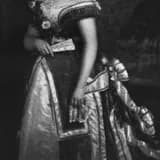
Birth of Martha Jane Hunt (later Martha Coston) in Baltimore, Maryland, marking the beginning of a future maritime-safety innovator.
On December 12, 1826, Martha Jane Hunt—later known as Martha Jane Coston—was born in Baltimore, Maryland, in a young United States still undergoing rapid industrial and maritime expansion.[1][2][6][10] Though little is documented about her childhood education, her later accomplishments suggest she possessed unusual resilience and technical curiosity in an era when women were largely excluded from formal scientific training.[1][5][10]
Martha’s birth into a nation increasingly dependent on sea trade and naval power formed the backdrop for her future work on maritime signaling.[1][5][10] As a woman born in the 1820s, she faced the entrenched legal and social barriers of coverture, which denied married women independent economic and intellectual recognition. Yet this Baltimore birth marked the beginning of a life that would challenge those constraints.[5][10]
From these origins, Coston would go on to transform her husband’s incomplete ideas into a practical system of pyrotechnic night signals that saved countless lives at sea and became a staple of naval communication worldwide.[1][5][6][10] Her birth date is also the anchor for ongoing historical debates: some reference works later misreported alternate dates and places, but cross‑language encyclopedias and specialized history sites consistently affirm 12 December 1826 in Baltimore as the most reliable data.[1][2][6][10] In women’s history, this birth is significant because it precedes—and ultimately feeds into—a rare nineteenth‑century story of a woman inventor who would secure patents, run a manufacturing company, and reshape maritime safety.