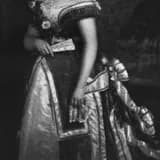
Posthumous induction of Martha Coston into the National Inventors Hall of Fame, honoring her pyrotechnic maritime signaling system.
In 2006 (here recorded with an approximate date of May 1, 2006 due to the absence of a documented ceremony day), Martha Coston was inducted into the National Inventors Hall of Fame, more than a century after her death.[3][5][7][11] The Hall recognized her creation of a robust pyrotechnic night‑signal flare system that dramatically improved maritime communication and safety, especially during the American Civil War.[5][7][11] Her induction placed her among a relatively small number of women honored for major technological innovations, underscoring the historic under‑representation of women in such institutions.
The Hall of Fame’s profile emphasizes that Coston, widowed young, drew on her late husband’s notes but fundamentally reinvented the system through years of chemical experimentation and business leadership.[5][7] It highlights how the U.S. Navy’s adoption of her signals gave the Union a communications advantage and how her flares became standard around the world, used by navies, life‑saving services, shipping firms, and yacht clubs.[5][7][11] By enshrining her contribution, the 2006 class formally acknowledged that a nineteenth‑century woman engineer had developed a technology still influencing modern distress flares and signaling.
As a barrier‑breaking first, this induction is notable not only for honoring Coston herself but also for expanding the visible canon of inventors to include women whose work had long been overshadowed.[3][7][11] The event has been cited by educational and engineering outreach organizations as a case study in women’s contributions to maritime technology and as inspiration for girls considering careers in STEM fields.[5][11] While the exact ceremony date remains undocumented in publicly accessible sources, the 2006 listing stands as a landmark in the historiography of women inventors and the institutional recognition of their achievements.