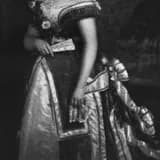
U.S. Patent No. 23,536 granted to Martha Coston (as administratrix) for her “Pyrotechnic Night Signals” maritime flare system.
On April 5, 1859, Martha Jane Coston, acting as administratrix of her late husband’s estate, was granted U.S. Patent No. 23,536 for “Pyrotechnic Night Signals”.[2][5][10] The patent covered her color‑coded maritime flare system, which used combinations of red, white, and green signals to convey complex messages between ships and between ship and shore at night.[2][5] Because the U.S. Patent Office refused to issue patents in a woman’s name, the invention was formally attributed to her deceased husband, but the practical development, testing, and commercialization had been driven by Martha herself over nearly a decade of work.[5][10][12]
This grant represented a barrier‑breaking first: in 1859, Coston’s patent was one of only a handful issued to women and the only nondomestic invention among them, in a system heavily biased toward male inventors and household devices.[5][10] Securing such a patent demanded that Martha correspond with chemists and engineers—often under a male alias—to refine the chemistry of bright, long‑lasting flares.[5][10][12] The resulting system soon attracted the attention of the U.S. Navy, which adopted the signals for tactical communication and rescue operations, especially during the American Civil War.[1][5][10]
The April 5, 1859 patent date marked the formal recognition of a technology that would save thousands of lives.[5][10][12] Beyond its military application, the system became standard equipment for the United States Life‑Saving Service and other maritime organizations worldwide, influencing later safety flares and distress signaling devices.[5][6][10] Historically, this event stands as a milestone for women in engineering and intellectual property law, demonstrating that a widowed mother working outside formal scientific institutions could still secure legal protection for a complex, non‑domestic invention and build a thriving manufacturing business around it.