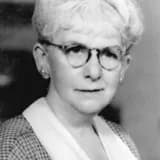
On Sept. 29, 1993, President Bill Clinton awarded Douglas the Presidential Medal of Freedom for her lifetime of Everglades advocacy.
On September 29, 1993, President Bill Clinton presented Marjory Stoneman Douglas with the Presidential Medal of Freedom, the highest civilian honor in the United States.[2][8][9][11] In a White House ceremony, Clinton recognized her lifetime of work to protect the Florida Everglades and her broader contributions to conservation and civic life.
The Medal of Freedom is awarded to individuals who have made "an especially meritorious contribution" to the security, national interests, or cultural life of the country.[2] Douglas’s honor reflected not only her seminal 1947 book The Everglades: River of Grass but also decades of grassroots activism: public lectures, testimony at hearings, community organizing, and the founding of Friends of the Everglades in 1969.[9][11][12][15] By 1993, she had become a national symbol of environmental integrity and persistence.
Receiving the Medal at age 103 underscored the extraordinary longevity of her engagement. For much of the 20th century, Douglas had stood in opposition to powerful development interests, water-management agencies, and political leaders who favored drainage and construction over ecological health. Her recognition by the President signaled a shift in national values toward embracing environmental protection as a core public good.
From the perspective of women’s and environmental history, the ceremony marked a rare instance of a female conservationist being honored alongside more traditional political and cultural figures. It validated the role of citizen advocates—especially women—whose influence comes through writing, organizing, and moral leadership rather than elected office. September 29, 1993, therefore stands as a sentinel moment when the U.S. government formally acknowledged that one woman’s voice had helped change the trajectory of a major American landscape.