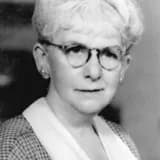
Soon after the U.S. entered WWI on April 6, 1917, Douglas enlisted in the Naval Reserve, becoming the first woman in Florida to do so.
On April 6, 1917, the United States formally entered World War I by declaring war on Germany.[2] In the days immediately following, Marjory Stoneman Douglas, then living in Florida, took the unprecedented step of enlisting in the U.S. Naval Reserve, becoming the first woman in Florida to do so.[1][15] Although the precise enlistment day is not documented, sources agree that her service began in direct response to the war declaration.[1][15]
At a time when women were still fighting for basic political rights, including the vote, Douglas’s enlistment broke social and institutional barriers. The Navy had only recently opened limited paths for women into reserve roles, and public expectations largely confined women to domestic or auxiliary war work. By joining the Naval Reserve, Douglas asserted women’s capacity for direct national service and helped expand the boundaries of acceptable female participation in military-related roles.[1][2]
This milestone also reflects her broader commitment to civic duty and reform. Douglas was already developing a reputation as an independent thinker and would soon be active in the women’s suffrage movement in Florida.[1][11][18] Her decision to enlist underscored the connection she drew between citizenship, responsibility, and the right to participate fully in public life.
Historically, Douglas’s status as the first woman in Florida Naval Reserve ranks stands out as an early example of women challenging gendered restrictions in U.S. institutions. In the long arc of her life, this act prefigured her later leadership in environmental and civil rights causes: she consistently stepped into spaces where women were not expected, whether in military service, newsroom leadership, or grassroots conservation campaigns. April 6, 1917, thus marks the wartime turning point that catalyzed a barrier-breaking enlistment, emblematic of Douglas’s lifelong pattern of courage and public engagement.