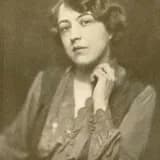
Marika Stiernstedt died on 15 October 1954, closing a literary career of more than five decades marked by socially critical realist fiction.
Marika Stiernstedt died on 15 October 1954, bringing to an end a literary career that had spanned more than fifty years and produced dozens of novels, short stories, and essays. She had remained active as a writer and public intellectual well into old age, continuing to comment on social issues, women's rights, and international affairs.
Her death marked the passing of one of the last major voices from a generation of Swedish women writers who had begun their careers around the turn of the twentieth century, navigating the transition from a strictly patriarchal literary establishment to a more pluralistic modern Swedish literature.
In the decades following her death, Stiernstedt's reputation experienced periods of relative obscurity, but later scholarship — including feminist literary historians — has worked to restore her place as an important chronicler of class and gender tension in Swedish society. Her novels remain valuable historical and literary documents of the social conditions faced by women, particularly working-class and rural women, during the early twentieth century.
Her legacy endures through renewed academic interest in her work, republished editions, and her recognition as a pioneering realist author whose social conscience anticipated later feminist literary currents in Scandinavia.