← All women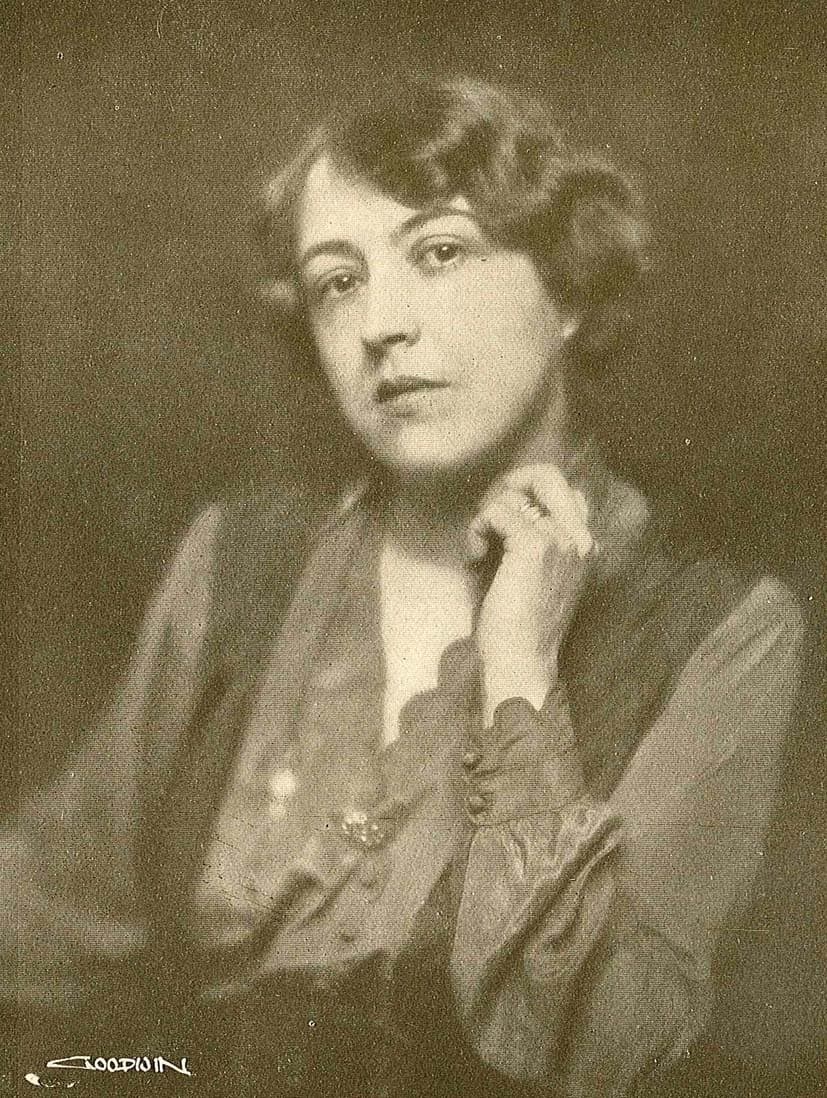
Swedish · Literature
Marika Steirnstedt
January 12, 1875 – October 25, 1954
Early Life and Background
Marika Stiernstedt was born on January 12, 1875, in Stockholm, Sweden, into a family of nobility. Her early life was one of privilege, which later informed her nuanced understanding of class structures, frequently explored in her writing. Her family environment was cultivated and intellectual, which nurtured her literary interests from a young age.
Career Beginnings and Development
Stiernstedt began her literary career at the turn of the century, eventually establishing herself as a significant voice in Swedish literature. Her early works gained attention for their detailed and realistic portrayal of Sweden's social dynamics. Her writing was characterized by a deep social conscience, often addressing issues of class disparity and gender roles with a critical eye.
Major Works and Accomplishments
Throughout her career, Marika Stiernstedt published numerous novels, short stories, and essays, resonating with audiences for their incisive social commentary. Notable works include 'Ett år i Kostallet' (1905), 'Generationen' (1926), and 'Tradgården' (1945). Her literature was not only popular but also influential, sparking discussions about social issues within and beyond Sweden's borders.
Awards, Honors, and Recognition
Her contributions to literature and Swedish society did not go unnoticed. Stiernstedt was highly regarded in intellectual circles and received several accolades during her lifetime, though specific awards are not explicitly documented. Her legacy continues to be studied within the context of early 20th-century literature.
Personal Life
Marika's personal life was as dynamic as her writing. She married several times, most notably to Ludvig Nordström, a fellow writer. Her relationships often influenced her writing, enriching the characters and relationships in her novels.
Legacy and Historical Impact
Stiernstedt's work left a lasting impact on Swedish literature, specifically in terms of how societal issues are portrayed in fiction. Her focus on feminist and social themes paved the way for future writers to tackle these subjects openly. She remains a studied figure in the academic exploration of Swedish cultural and literary history.
Later Life and Death
Marika Stiernstedt continued to write until her death on October 25, 1954. Her final years were spent in relative quiet, but she remained an influential figure in Swedish cultural life. Her literary contributions provide a rich field of exploration for anyone interested in early 20th-century Swedish literature and societal change.
Dated achievements
2 indexed.
- Jun081875Literature
Birth of Marika Stiernstedt
Marika Stiernstedt was born on 8 June 1875 in Stockholm, Sweden, into an aristocratic family; she became one of Sweden's leading realist novelists.
View details Marika Stiernstedt - Wikipedia - Oct151954Literature
Death of Marika Stiernstedt
Marika Stiernstedt died on 15 October 1954, closing a literary career of more than five decades marked by socially critical realist fiction.