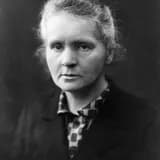
Marie Curie died on July 4, 1934, in Passy, France, from complications related to radioactivity exposure.
On July 4, 1934, Marie Curie passed away in Passy, France, succumbing to aplastic anemia, a condition related to prolonged radiation exposure during her years of research. Her death was a significant loss to the scientific community, yet her life left an indelible legacy. Curie's pioneering work and discoveries in radioactivity reshaped scientific understanding and laid the groundwork for new medical treatments, including cancer therapies. Her dedication to science and innovation endured through her legacy, inspiring countless women to pursue careers in science and underscoring the indispensability of scientific inquiry in the progress of human civilization.