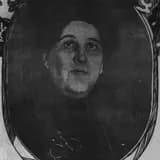
Marie Owens died in New York City on June 10, 1927.
Marie Owens died on June 10, 1927, in New York City. Her death closed the life of a woman who had entered American police history as a pioneer and had spent decades using law enforcement to address child labor, welfare, and family hardship.
Owens’s death mattered historically because her name was not yet widely celebrated at the scale of later police pioneers, even though her appointment had broken a major barrier for women in public authority. The relative obscurity surrounding her later years is itself part of her legacy: many early women in law enforcement were essential to institutional change but were not immediately preserved in popular memory. Subsequent historical recovery of her story has helped correct that omission.
By the time of her death, women’s policing was still a developing profession, and Owens’s career remained an important precedent. Her work showed that women could serve effectively in sworn law-enforcement roles and that their participation could be particularly valuable in cases involving children and families. Her life became a reference point for later generations seeking a place in police work and for historians tracing the origins of women’s authority in American public institutions.