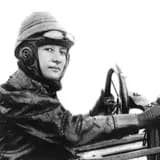
Marie Marvingt earns a fixed‑wing pilot’s license, becoming the third woman in the world to qualify as an airplane pilot.
On 10 June 1910, Marie Marvingt earned a fixed‑wing pilot’s license, becoming the third woman in the world to qualify as an airplane pilot, after Raymonde de Laroche and Marthe Niel. She took her examinations in France, then one of the leading centers of early aviation.
At this stage, powered flight was still experimental. Aircraft were fragile, training programs informal, and accidents frequent. Women faced additional obstacles: skepticism from instructors, limited access to aircraft, and social pressure against participation in such a dangerous and technical field. Marvingt’s success in obtaining a license signaled that women could master the mechanical knowledge, piloting skills, and physical stamina demanded by early aviation.
Her license opened the door to more advanced achievements, including record flights and wartime service. It also contributed to the slow normalization of women pilots: each licensed woman provided a precedent that made it harder to argue that aviation should remain exclusively male. In the broader chronology of women in flight, 10 June 1910 stands as a key node linking ballooning pioneers, early airplane pilots, and later generations of women who would become commercial and military aviators.