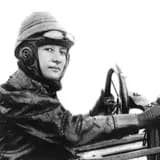
Marie Marvingt pilots a free balloon for the first time, moving from passenger to pilot and beginning her career as an aeronautical pioneer.
On 19 July 1907, Marie Marvingt piloted a free balloon for the first time, transitioning from passenger to pilot in the rapidly developing field of aeronautics. Until then she had flown only as a passenger, having first ascended in a free‑flight balloon in 1901, but this 1907 flight marked her assumption of direct command of the aircraft.
Operating a free balloon demanded technical skill and courage: pilots navigated by wind currents, gauged altitude by barometric instruments, and depended on practical meteorological knowledge, all at a time when aviation remained experimental and dangerous. For a woman in early 20th‑century France, taking the controls herself was a challenge to prevailing social norms that restricted women from technical and risk‑laden roles.
This first piloting experience was an essential step toward her later status as a record‑breaking balloonist and licensed aviator. Within two years she would be the first woman to pilot a balloon from the Continent to England, and in 1910 she would earn one of the earliest fixed‑wing pilot licenses granted to a woman. The 19 July 1907 flight therefore stands as a sentinel moment in her progression from adventurous passenger to pioneering aeronautical professional.