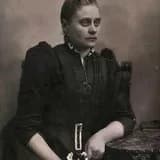
Marie Bregendahl died on 22 July 1940 in Copenhagen, Denmark, closing a decades-long literary career chronicling rural Danish life.
Marie Bregendahl died on 22 July 1940 in Copenhagen, the city that, despite her rural Jutland origins, had become her adopted home and the center of her literary career. Her death came during the early months of the German occupation of Denmark in the Second World War, a turbulent backdrop to the end of a life devoted to depicting the Danish countryside and its people.
By the time of her death, Bregendahl had established herself as one of the leading Danish women writers of her generation, known especially for her multi-volume epic Sørine series and her unflinching depictions of rural poverty, women's labor, and family life on Jutland farms. Her naturalistic style and empathetic yet clear-eyed portrayal of working women had earned her comparisons to major Scandinavian realist writers and, according to later literary critics, even discussion of Nobel Prize-caliber talent.
Her passing marked the end of a career that had spanned more than four decades, from her first published sketches in the late 1890s through her mature novels of the 1920s and 1930s. She left behind a substantial body of work that continued to be read, republished, and studied by scholars of Danish literature and women's writing throughout the twentieth and twenty-first centuries.
Bregendahl's death is documented consistently across major biographical and encyclopedic sources, including Britannica and the Dictionary of Danish biography, cementing 22 July 1940 as the confirmed date of her death in Copenhagen.