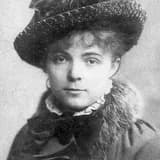
Marie Bashkirtseff died in Paris on October 31, 1884, of tuberculosis at the age of 25.
Marie Bashkirtseff died in Paris on October 31, 1884, at just twenty-five years old, succumbing to tuberculosis, a disease that had plagued her for much of her short adult life and against which she had fought while continuing to paint, write, and pursue an active social and intellectual existence.
Her death came at a moment when her artistic career was gaining serious momentum: she had exhibited at the official Paris Salon multiple times, earned praise from prominent critics, and was recognized as one of the most promising women painters working in France. Her early death cut short a career many contemporaries believed was destined for major acclaim.
She was buried in a strikingly elaborate mausoleum at the Cimetière de Passy in Paris, designed in the style of a small Orthodox chapel, which remains a pilgrimage site for admirers of her work and diary to this day. Her mother ensured the preservation of her studio, papers, and paintings, which later formed the basis for the posthumous publication of her journal.
Bashkirtseff's death, following so closely upon her flourishing career, contributed to the mythologizing of her figure as a tragic, brilliant young woman whose full potential was never realized — a narrative that fueled enormous public fascination with her diary when it appeared in print just a few years later, in 1887.