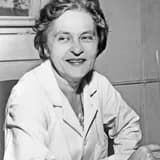
Death of Maria Telkes in Budapest, Hungary, after a pioneering career in solar energy.
On 2 December 1995, Mária Telkes died in Budapest, Hungary, the city where she had been born nearly ninety‑five years earlier. Her death marked the end of a career that had spanned continents and disciplines, from biophysics at the Cleveland Clinic and Westinghouse to solar‑energy research at MIT and beyond.
By the time of her passing, Telkes was widely known as the “Sun Queen” for her lifelong advocacy of solar heating and her inventions in solar distillation, solar ovens, and thermal energy storage. She had amassed more than twenty patents and received major honors, including the Society of Women Engineers Achievement Award and the Charles Greeley Abbot Award from the International Solar Energy Society.
Historically, the date of her death offers a vantage point from which to assess her legacy. Although some of her mid‑century projects were constrained by technological limits or institutional skepticism, many of her ideas anticipated later developments in renewable energy and sustainable building design. In the decades following her death, growing concern about climate change and energy security has renewed interest in pioneers like Telkes who sought clean alternatives long before they were fashionable. Her passing in Budapest closes a narrative arc that began with a young Hungarian chemist and ended with an internationally recognized inventor whose work helped lay intellectual and practical foundations for today’s solar‑energy movement.