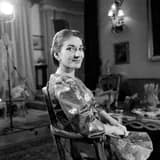
First leading role: Callas debuts as Tosca at the Olympia Theatre in Athens, establishing herself as a leading soprano in Greece.
On 27 August 1942, Maria Callas sang her first leading role as the title heroine in Puccini’s Tosca at the Olympia Theatre in Athens. This performance marked her emergence from promising student and comprimaria singer to a fully fledged leading soprano.
Greece was under Axis occupation, and the country’s artistic institutions were struggling with censorship, shortages and political uncertainty. Despite these conditions, the Greek National Opera (then in its formative years) mounted ambitious productions, and Callas—still in her late teens—was entrusted with the intensely dramatic role of Floria Tosca. Taking on such a demanding part so early highlighted both her formidable vocal resources and her instinctive theatricality.
The Athens Tosca is historically significant because it foreshadowed the traits that would define Callas’s international legend: searing dramatic commitment, a distinctive timbre capable of both power and vulnerability, and a willingness to inhabit complex heroines fully on stage. It also demonstrated the importance of wartime Athens as the crucible of her artistry; the discipline and resilience she developed there would sustain her through the pressures of postwar Italian and global fame. Many later critics and biographers point to this date as the moment when Callas moved decisively into the front rank of operatic interpreters, even before the world had begun to watch.