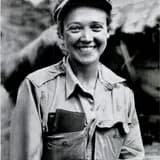
While reporting from Vietnam for Newsday, Higgins contracted the tropical parasitic disease leishmaniasis and was evacuated to the U.S.
Late in 1965, while on assignment in South Vietnam as a syndicated foreign affairs columnist for Newsday, Marguerite Higgins contracted leishmaniasis, a serious parasitic disease transmitted by sandflies, common in tropical and subtropical conflict zones. At the time, Higgins was in her mid-forties and had spent decades reporting from some of the world's most dangerous war zones, from World War II Europe to the Korean and now Vietnam conflicts.
Her determination to report firsthand from the field—visiting troops, refugee camps, and rural areas of Vietnam rather than relying solely on official briefings in Saigon—exposed her to the disease under conditions that were difficult to treat effectively at the time. She was evacuated to the United States for specialized medical treatment as her condition worsened.
This episode illustrated both the extraordinary physical risks Higgins was willing to take throughout her career to deliver ground-level reporting, and the toll that decades of war correspondence exacted on her health. Unlike many of her contemporaries who reported from press briefings in capital cities, Higgins's insistence on visiting front-line areas—a practice that had defined her entire career since World War II—ultimately proved fatal, as complications from the illness led to her death weeks later.