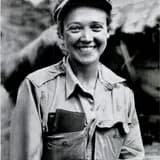
Higgins was honored with the George Polk Award for Foreign Reporting for her behind-enemy-lines coverage in Korea and elsewhere.
The George Polk Awards, established by Long Island University to honor journalists killed or distinguished in the line of duty, announced Marguerite Higgins as the recipient of the George Polk Award for Foreign Reporting for 1951, with the formal announcement made around April 21, 1952. The award recognized her continued excellence in international journalism, particularly her reporting from behind enemy lines during the Korean War and her broader body of foreign correspondence.
The Polk Award was, and remains, one of American journalism's most prestigious honors, named for CBS correspondent George Polk, who was killed while covering the Greek Civil War. Winning it placed Higgins in an elite circle of correspondents recognized for reporting under extreme danger and adversity.
This award, arriving on the heels of her historic Pulitzer Prize win in 1951, reinforced Higgins's standing as one of the preeminent war correspondents of her generation. It validated the body of work she produced not just at Incheon but throughout the war's most perilous engagements, including the retreat from the Chosin Reservoir and the desperate defense at Pusan.
Her recognition by two of journalism's highest honors within roughly a year solidified her legacy as a pioneering figure who redefined what was possible for women correspondents in war zones, well before formal policies of gender equality existed in the profession.