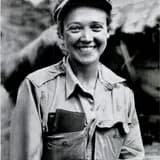
Higgins became the first woman awarded a Pulitzer Prize in the International Reporting category, honored for her Korean War coverage.
On May 7, 1951, the Pulitzer Prize board announced Marguerite Higgins as a co-recipient of the Pulitzer Prize for International Reporting (then designated Foreign Correspondence), honoring her courageous, frontline coverage of the Korean War for the New York Herald Tribune. She shared the prize with several other correspondents who had reported on the conflict, but Higgins stood out as the only woman among them.
This achievement made her the first woman in history to win a Pulitzer Prize in this category, and the first female war correspondent ever to receive a Pulitzer Prize of any kind. At a time when women were largely barred from combat reporting and the U.S. military had attempted to exclude her from the front lines entirely, this recognition validated not just her individual talent but the broader claim that women could—and should—cover war firsthand.
The award reflected recognition of dispatches filed under fire, including her reporting on the Battle of Incheon and the desperate early defense of the Pusan Perimeter. Higgins had to fight for access that her male colleagues took for granted, and this Pulitzer became a symbol of her having broken through entrenched institutional barriers.
Her win paved the way for future generations of women in war correspondence, establishing a precedent that gender was no barrier to journalistic excellence in the most dangerous assignments in the profession.