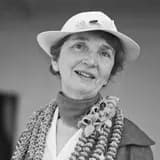
Sanger, with Ethel Byrne and Fania Mindell, opened the first U.S. birth control clinic in Brownsville, Brooklyn.
On October 16, 1916, Margaret Sanger, along with her sister Ethel Byrne (a registered nurse) and Fania Mindell, opened the doors of a small storefront clinic at 46 Amboy Street in the Brownsville neighborhood of Brooklyn. This was the first birth control clinic in the United States, established to provide contraceptive information and devices directly to poor and working-class immigrant women who had no other access to family planning resources.
Word spread quickly through the neighborhood, and on opening day, lines of women—many with children in tow—stretched down the block waiting to receive consultations. The clinic charged a nominal fee of ten cents and offered instruction on diaphragms and other contraceptive methods, information that was illegal to distribute under New York's Comstock-era statutes, which classified contraceptive devices and information as obscene.
The clinic operated for only nine days before police raided it on October 26, arresting Sanger, Byrne, and Mindell. Byrne's subsequent hunger strike while imprisoned drew national media attention. Despite its brief existence, the Brownsville clinic proved that a legitimate public demand existed for birth control services and demonstrated a working model for future clinics. It directly inspired the eventual founding of the American Birth Control League in 1921 and, ultimately, the Planned Parenthood Federation of America. This singular act of civil disobedience is widely regarded as the founding moment of organized reproductive healthcare access in the United States.