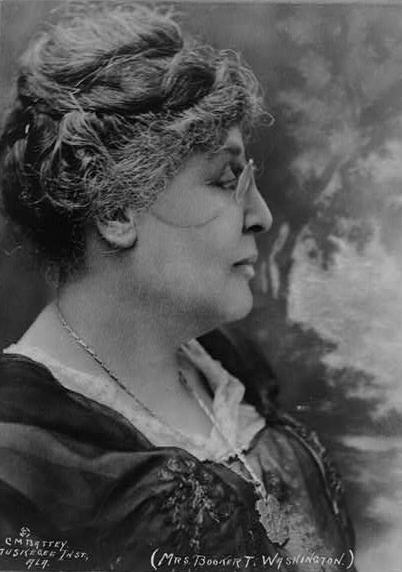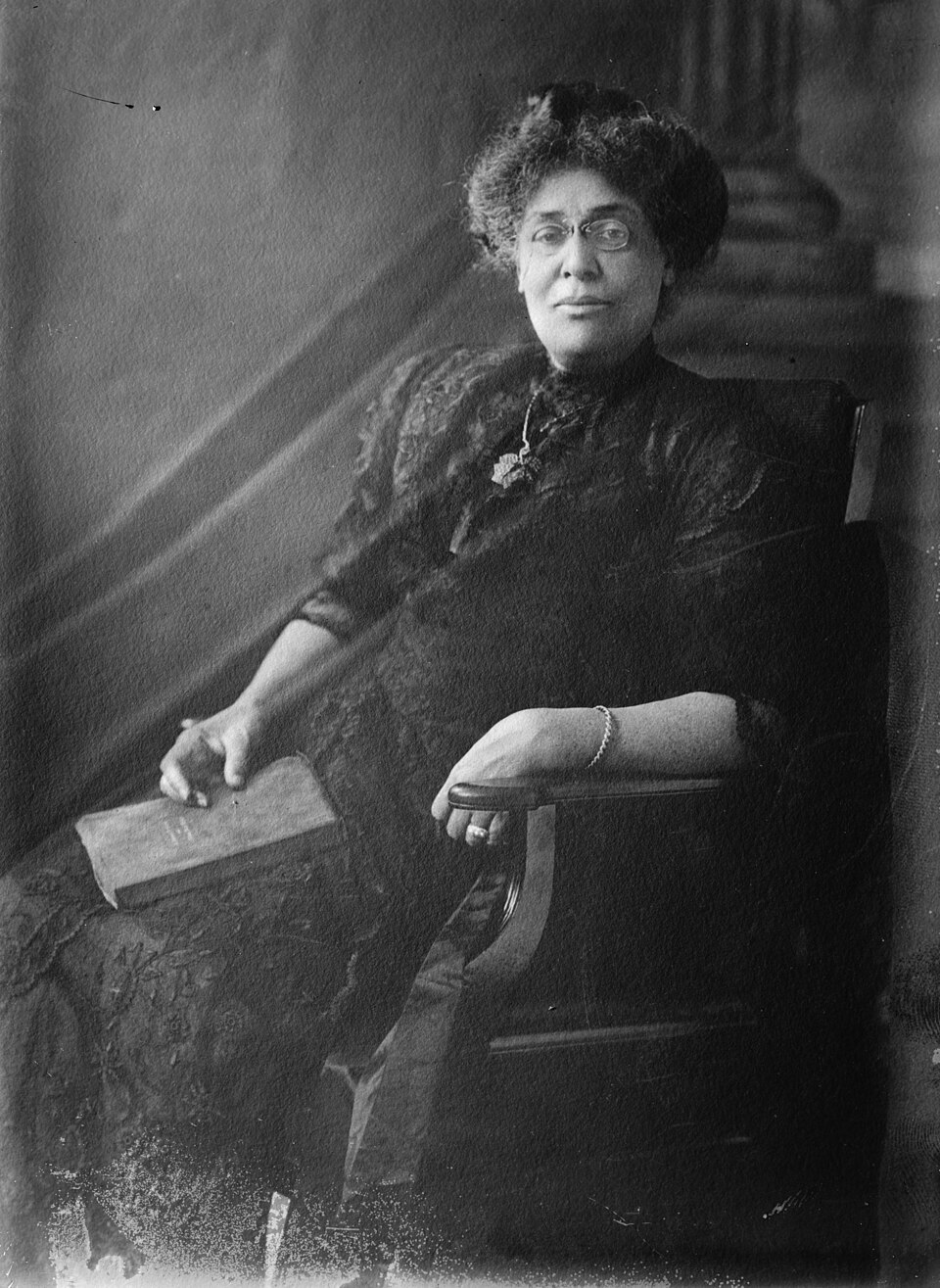
Born into slavery (or just before its end) in Mississippi, she rose to become one of the most influential Black women educators and activists of her era.
Margaret Murray Washington was born on March 9, 1865, in Macon, Mississippi, near the end of the Civil War. Details of her earliest years are sparse, and even her exact parentage remains uncertain; she was raised by her mother, Lucy Murray, and had several siblings. Orphaned or effectively parentless in her childhood, she was taken in by a Quaker family who recognized her intelligence and helped her pursue schooling at a time when educational opportunities for Black children in the Reconstruction-era South were extremely limited.
Her early exposure to education set her on an unusual path: she attended Fisk University in Nashville, Tennessee, one of the premier historically Black institutions of higher learning, graduating in 1889. This achievement was remarkable given the pervasive barriers of racism and poverty that confronted Black women of her generation.
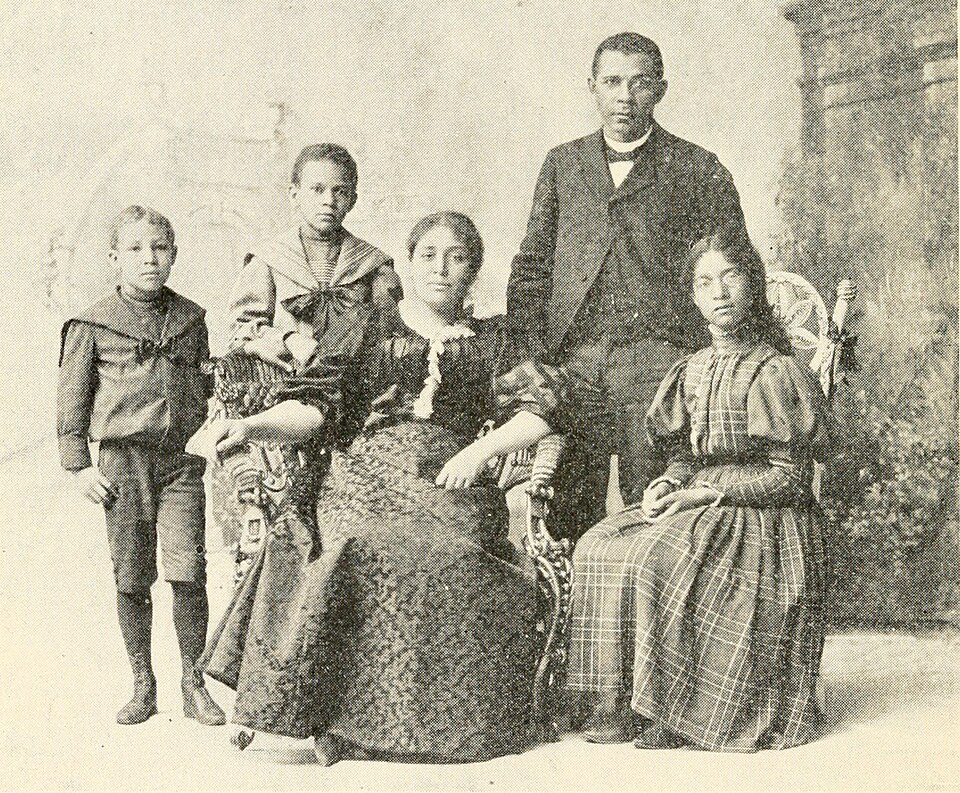
Her birth marks the starting point of a life that would come to shape Black women's clubs, education at Tuskegee Institute, and national activism. She became a towering figure in the Black women's club movement and in the administration of Tuskegee Institute alongside her husband, Booker T. Washington.
Images