← All women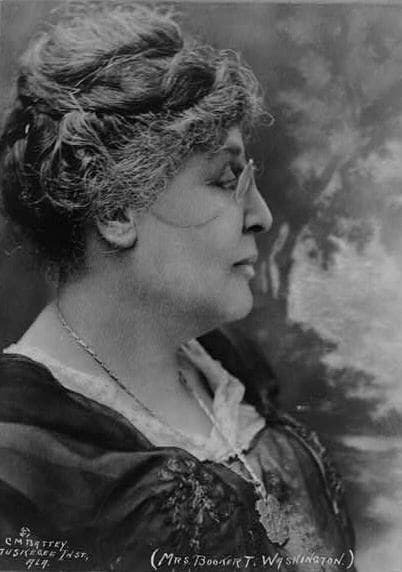
American · Activism · Science
Margaret Murray Washington
1865 – 1925
Early Life and Background
Margaret Murray was born in 1865 in Macon, Mississippi. Little is documented about her early family life, but it is known that she was born just after the Civil War, during a period of significant change for African Americans in the South. She attended Fisk University, where she honed her skills and philosophy regarding education and social activism.
Career Beginnings and Development
In 1889, Margaret began working at the Tuskegee Institute in Alabama, an institution aimed at educating African Americans. Her role at Tuskegee would mark the beginning of her impactful career in education.
Major Works, Discoveries, or Accomplishments
Margaret Murray Washington was a pivotal figure in advancing women's rights and education. She was heavily involved in the National Association of Colored Women, serving as its president, and worked tirelessly to improve the education and welfare of African American women in the South.
Awards, Honors, and Recognition Received
Margaret Murray Washington's influence was widely recognized during her lifetime, though formal awards and honors were less common for women of her status and field at that time.
Personal Life
Margaret married Booker T. Washington, a leading African American educator and founder of the Tuskegee Institute, in 1893. The couple worked closely together to promote their vision of education and empowerment for African Americans.
Legacy and Historical Impact
Margaret Murray Washington left a lasting legacy, particularly through her contributions to educational reform and women's rights. Her work with the National Association of Colored Women set a precedent for further activism in these areas. Her efforts have been credited with laying the groundwork for future civil rights advancements.
Later Life and Death
Margaret continued her work with dedication until her death in 1925. She is remembered for her role in shaping the educational landscape for African American women and her advocacy for social change.
Dated achievements
2 indexed.
- Mar091865Activism
Birth of Margaret Murray Washington
Born into slavery (or just before its end) in Mississippi, she rose to become one of the most influential Black women educators and activists of her era.
View details Margaret Murray Washington - Wikipedia - Jun041925Activism
Death of Margaret Murray Washington
Margaret Murray Washington died on June 4, 1925, in Tuskegee, Alabama, leaving a lasting legacy in Black women's education and activism.