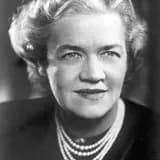
Smith became the first senator to publicly denounce Joseph McCarthy's tactics, delivering her famed Declaration of Conscience on the Senate floor.
On June 1, 1950, just months after Senator Joseph McCarthy launched his campaign of anti-communist accusations, Margaret Chase Smith rose on the floor of the U.S. Senate to deliver what became known as her "Declaration of Conscience." In a brief but devastating speech, she condemned the Senate's descent into character assassination, name-calling, and fear-mongering, declaring that Americans had a right to criticize, to hold unpopular beliefs, and to protest without being branded disloyal.
Smith did not name McCarthy directly, but her target was unmistakable. She was joined by six other Republican senators who co-signed the statement, though she was its principal author and the first to have the courage to speak out against her own party's rising demagogue at the height of his political power—well before the broader Senate or public turned against him in 1954.
The speech was a remarkable act of political courage: McCarthy was enormously popular and feared, and Smith risked her career and committee assignments (McCarthy later had her removed from the Permanent Subcommittee on Investigations) by speaking out. Her declaration is remembered today as one of the earliest and most eloquent defenses of civil liberties and Senate integrity during the Red Scare, and it remains a touchstone for arguments about political courage and principle over party loyalty. It cemented her reputation as an independent voice unafraid to challenge power.