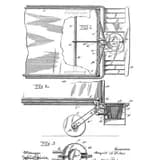
Wilcox filed the application for a combined cooking and hot-water-heating stove that became U.S. Patent No. 482,772.
On October 29, 1891, Margaret A. Wilcox filed the application that would become U.S. Patent No. 482,772 for a combined cooking and hot-water-heating stove. The filing is significant because the patent document itself records the date, making it one of the most securely dated events in her career.
This invention addressed a common nineteenth-century problem: how to extract more utility from fuel in homes where heating and cooking were major daily burdens. Wilcox’s stove was designed to perform two tasks at once, using heat efficiently for both cooking and water heating. In an era of coal-fired appliances and labor-intensive domestic work, such multi-function designs had practical value and economic appeal.
The filing also shows Wilcox working at the intersection of domestic engineering and energy efficiency years before those ideas became mainstream policy concerns. Women inventors were often steered toward “household” problems, but Wilcox transformed that expectation into technical innovation. By securing an application under her own name, she asserted authorial control over a machine that combined mechanical ingenuity with an intimate understanding of domestic needs. This patent helped build the portfolio that would later make her name associated not only with home appliances but with transportation heating as well.