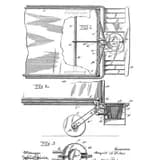
U.S. Patent No. 482,772 was granted to Wilcox for a combined cooking and hot-water-heating stove.
On September 20, 1892, Margaret A. Wilcox was granted U.S. Patent No. 482,772 for her combined cooking and hot-water-heating stove. The patent formalized a practical invention that sought to make better use of heat already generated in the kitchen, turning waste into a useful resource for both cooking and domestic water heating.
The patent matters historically because it demonstrates Wilcox’s continuing focus on efficiency, a theme that runs through much of her work. In a period when many homes relied on separate, inefficient systems for cooking and heating, her design embodied an integrated approach to household technology. Such inventions were especially valuable when fuel was expensive and domestic labor remained burdensome.
For a woman inventor in the 1890s, receiving a patent in her own name also carried broader significance. Women had to overcome social expectations that restricted them to unpaid domestic labor rather than technical authorship. Wilcox’s patent shows that she not only understood those practical household problems but also possessed the engineering skill to propose mechanical solutions. This grant helped establish her as a versatile inventor and laid a foundation for the even more famous transportation-heating patent she would secure the following year.