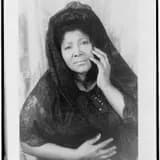
Mahalia Jackson died in Evergreen Park, Illinois, from complications related to diabetes.
On January 27, 1972, Mahalia Jackson died in Evergreen Park, Illinois, near Chicago, from complications related to diabetes. Her death closed a career that had transformed gospel music from a church-centered tradition into a globally recognized art form and made her one of the most influential singers of the twentieth century.
Jackson’s passing was widely mourned because her voice had become associated not only with musical excellence but also with faith, dignity, and the civil rights era. By the time of her death, she had helped redefine the place of gospel in American culture, proving that sacred Black music could command concert halls, recordings, television, and national political stages. She had also shown that a Black woman could achieve international fame while remaining rooted in religious expression and community values.
Her death did not end her influence. Instead, it confirmed her status as a foundational figure whose recordings continued to shape gospel performance, popular music, and civil rights memory. The legacy of her life remained visible in the generations of singers and activists who followed the path she helped open.