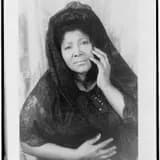
Jackson made her first commercial recording session for Decca Records, beginning her recorded-music career.
On May 21, 1937, Mahalia Jackson entered a new professional phase when she made her first commercial recording session for Decca Records. Although the record did not become a hit, the session was a crucial step in moving her from church performance into the recorded-music economy, where Black gospel singers were still fighting for broader recognition.
The significance of this moment lies in the barriers she was beginning to overcome. In the 1930s, gospel was often treated by the commercial industry as a niche or regional style, and Black women in particular faced limited access to major labels, radio exposure, and national distribution. Jackson’s Decca session showed that her voice had enough power and marketability to attract professional recording interest even before her breakthrough fame. It also marked the beginning of a career that would later reshape how gospel music was heard outside Black church settings.
Though this early recording did not yet make her a star, it established a documentary record of her artistry and foreshadowed the commercial and cultural reach she would soon achieve. The Decca session belongs among the formative milestones that prepared the way for her later historic recordings and crossover success.