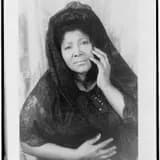
Jackson performed at Carnegie Hall, widely recognized as the first gospel singer to appear there.
On October 4, 1950, Mahalia Jackson performed at Carnegie Hall in New York City, becoming widely recognized as the first gospel singer to appear at the iconic venue. The performance marked a watershed in American concert life because it placed gospel music on one of the nation’s most prestigious stages, a space historically associated with classical music and elite cultural legitimacy.
Jackson’s appearance carried deep symbolic weight. Gospel was often dismissed by mainstream institutions as too rooted in Black religious life to belong in high-profile concert settings. By standing on the Carnegie Hall stage, Jackson challenged those assumptions and demonstrated that gospel performance belonged in the broader American musical canon. Her presence also reflected the growing postwar appetite for Black sacred music, even in segregated society, and helped normalize the idea that gospel deserved the same serious listening accorded to other major musical forms.
The achievement was not merely personal; it enlarged the public meaning of gospel music itself. Jackson’s Carnegie Hall appearance became one of the clearest examples of how her artistry transformed a church-based tradition into an internationally respected concert form.