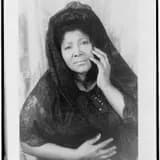
Her “Move On Up a Little Higher” became the first gospel record to reach No. 2 on Billboard and sell millions.
On September 12, 1947, Mahalia Jackson’s recording of “Move On Up a Little Higher” set a new standard for gospel music in the commercial marketplace. The song became the first gospel record to reach No. 2 on the Billboard charts and to sell millions of copies, an unprecedented achievement that expanded the possibilities for sacred Black music in mainstream American culture.
This was a genuine barrier-breaking moment. At mid-century, gospel was still largely expected to remain within church life, and Black women singers rarely received the same industry support afforded to popular secular stars. Jackson’s accomplishment shattered those assumptions. Her success proved that gospel could command a national audience without abandoning its spiritual core. It also gave Black church music a new visibility at a time when segregation still shaped who could be heard, promoted, and celebrated in public life.
The record’s popularity made Jackson an international figure and established her as the most influential gospel artist of her generation. Its legacy endured not only in sales and chart history, but in the way it opened doors for later gospel performers and helped define the modern public image of the genre.