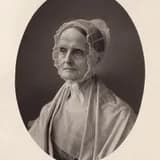
Mott's book 'Discourse on Woman' was published, compiling and expanding her decades of arguments for women's equality.
In 1869, Lucretia Mott's "Discourse on Woman" was published in Philadelphia, bringing together and expanding upon arguments she had been articulating in sermons and lectures since at least 1821. The work systematically addressed the legal, social, educational, and economic disabilities imposed on women in nineteenth-century America, and argued—drawing on both Quaker theology and Enlightenment political philosophy—for women's full equality with men.
By the time of its publication, Mott was already 76 years old and one of the most revered elder statespeople of the American reform movement, having spent nearly five decades as an abolitionist and women's rights advocate. The book served as both a capstone to her intellectual career and a resource for the younger generation of activists who were carrying the suffrage movement forward, including Elizabeth Cady Stanton and Susan B. Anthony, who regarded Mott as a foundational mentor.
"Discourse on Woman" is historically significant as one of the earliest sustained written treatises by an American woman systematically laying out the intellectual case for gender equality, predating and informing the more famous later suffragist literature of the following decades. It remains an important primary source for historians studying the intellectual origins of American feminism and the connections between Quaker religious thought and early women's rights advocacy.