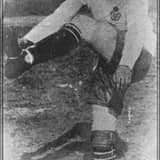
Lily Parr died of cancer at age 73 at her home in Preston, Lancashire, on 24 May 1978.
Lily Parr died on 24 May 1978 at her home in Preston, Lancashire, at the age of 73. Her death was attributed to cancer, often specified in sources as breast cancer, following a long life largely spent in and around the town most associated with her footballing legacy.
After retiring from playing football in 1951, Parr had worked as a nurse at Whittingham Hospital near Preston, a career she pursued for decades alongside her lasting connection to the sport that had made her a household name in the early twentieth century. She lived quietly in her later years, her extraordinary footballing achievements not yet fully recognised by mainstream football institutions during her lifetime.
At the time of her death, Parr had not yet received the formal honours that would later cement her legacy — her induction into the National Football Museum's Hall of Fame came in 2002, and the unveiling of her statue outside the museum came in 2019, both posthumous recognitions of a career that had been overlooked for decades due to the marginalisation of women's football following the FA's 1921 ban. Her death marked the end of a life that had witnessed the entire arc of early women's football: from its explosive popularity after WWI, through decades of institutional suppression, to the beginnings of its official rehabilitation in the 1970s.