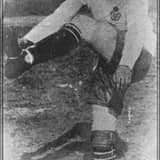
Parr lived to see the Football Association lift its 1921 ban on women's football, vindicating her decades of defiant participation in the sport.
In 1971, nearly fifty years after imposing its prohibitive resolution, the Football Association formally lifted the ban on women's football playing at affiliated grounds. This landmark reversal came too late for Lily Parr's own playing career, which had ended two decades earlier, but she lived to witness this vindication of the cause she and her teammates had championed through decades of unofficial, marginalised competition.
The lifting of the ban paved the way for the eventual professionalisation and institutional recognition of women's football in England, including the formation of national competitions and, much later, the Women's Super League. It followed growing pressure from the newly formed Women's Football Association (est. 1969) and broader social changes of the era, including the rise of second-wave feminism and increasing calls for gender equality in sport and society.
For Parr, who had personally defied the ban by continuing to play for Dick, Kerr Ladies and successor clubs throughout the 1920s, 30s, and 40s, the reversal represented a profound, if delayed, acknowledgment that women's football had always deserved official recognition and support. She died just seven years later, in 1978, having witnessed the beginning of the sport's slow rehabilitation, though full recognition — including the FA's formal apology in 2008 — would not arrive until after her death.