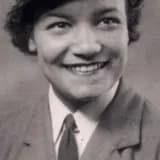
Lilian Bader enlisted in the Women's Auxiliary Air Force on 28 March 1941, becoming one of the first Black women to serve in the British Armed Forces.
On 28 March 1941, Lilian Bader successfully enlisted in the Women's Auxiliary Air Force (WAAF), achieving a milestone as one of the first Black women to serve in the British armed forces during the Second World War. This success came only after an earlier, painful rejection: she had briefly worked in a NAAFI canteen near Liverpool but was dismissed after roughly seven weeks when officials discovered her father had been born in Barbados, reflecting the racial prejudice embedded in wartime recruitment policy.
Undeterred, Bader pursued enlistment in the newly expanding WAAF, which was recruiting women to release men for frontline duties. Her acceptance into the service represented a significant crack in the informal colour bar that had long excluded Black Britons from meaningful military roles, despite Britain's reliance on Commonwealth and colonial manpower.
Bader's enlistment is widely cited by historians and institutions including the RAF Museum as a landmark moment: quite possibly the first instance of a Black woman joining the British Armed Forces in an official capacity. Her service opened a pathway that would later see her break further ground as a technical tradesperson, and her story remains a touchstone in Black British and RAF history, symbolising the contributions of Black servicewomen too often erased from mainstream wartime narratives.