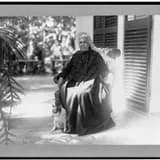
King Kalākaua names Liliʻuokalani heir apparent and Crown Princess of the Hawaiian Kingdom.
On February 12, 1877, King Kalākaua formally declared his sister Liliʻuokalani as his heir apparent and invested her with the title of Crown Princess of the Hawaiian Kingdom.[1] This official designation placed her first in the line of succession and made it clear that, upon her brother’s death, she would inherit the throne.
The appointment came amid growing political tensions over foreign economic influence and constitutional constraints on royal authority. By naming Liliʻuokalani, Kalākaua affirmed continuity within the aliʻi line and underscored his trust in her abilities as a future sovereign.[1] She had already demonstrated administrative competence and diplomatic poise, including serving as regent when he traveled abroad.
This event is historically significant because it marked the beginning of Liliʻuokalani’s direct path to rulership as Hawaiʻi’s eventual last monarch. It formally prepared the kingdom—and foreign observers—for the prospect of a female sovereign in a period dominated by male heads of state.[2][7] Her status as Crown Princess provided her with opportunities to observe the mechanics of government, develop her views on constitutional reform, and deepen her commitment to protecting Native Hawaiian rights and land.
In retrospect, the declaration of 1877 set the stage for the constitutional struggles and resistance to annexation that would define her reign and later activism, making this date a key turning point in the political history of Hawaiʻi.[1][17]