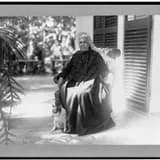
Liliʻuokalani submits a formal protest letter to U.S. President McKinley opposing a proposed Hawaiʻi annexation treaty.
On June 16, 1897, Liliʻuokalani submitted a formal letter of protest to U.S. President William McKinley, opposing a proposed treaty to annex Hawaiʻi to the United States.[1][17] In this communication, she asserted the rights of the Hawaiian monarchy and people, arguing that the overthrow and the republic lacked legitimate consent.
Around this time, she also helped organize and support extensive anti-annexation petitions signed by thousands of Hawaiian citizens, which were delivered to Washington, D.C., to demonstrate widespread domestic opposition to annexation.[1][17] These petitions became a powerful tool in delaying the treaty and informing U.S. senators about Native Hawaiian perspectives.
The June 16 protest letter reflects Liliʻuokalani’s strategic shift from domestic constitutional reform to international advocacy. No longer recognized as sovereign by the republic, she engaged U.S. political institutions directly, using legal language and diplomatic protocol to contest American expansion.
For women’s and indigenous rights history, this date highlights her role as a political actor beyond the throne—an ex-monarch who leveraged her status and credibility to mobilize petition campaigns and influence foreign policy debates. Her efforts contributed to the failure of the initial annexation treaty, though annexation was ultimately accomplished in 1898 by joint resolution.[1][16][17]