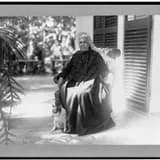
Liliʻuokalani travels to Washington, D.C., and files an official diplomatic protest against U.S. annexation of Hawaiʻi.
On September 6, 1898, following the passage of the Newlands Resolution that annexed Hawaiʻi by joint resolution of the U.S. Congress, Liliʻuokalani traveled to Washington, D.C., where she filed an official diplomatic protest against the annexation.[1] Despite no longer being recognized as a reigning monarch, she continued to assert her claims and those of her people.
In her protest, she challenged the legality and morality of annexation, maintained that the Hawaiian crown lands had been seized without due process, and insisted that the dispossession of the monarchy violated international norms.[1] She declined to attend the annexation ceremonies in Honolulu, unable to bear seeing the Hawaiian flag lowered and the U.S. flag raised.[13]
This act of diplomatic protest was a rare example of a deposed queen engaging directly with the government that had absorbed her nation, using legal argument rather than armed resistance. It underscored her belief that historical wrongs should be documented and contested even when reversal seemed unlikely.
For women’s history, September 6, 1898, illustrates Liliʻuokalani’s enduring political agency and international voice. Her protest has since been cited in discussions of colonial legality, indigenous land claims, and reparative justice. It contributed to the documentary record that would later inform movements seeking recognition of the unlawful nature of the overthrow and annexation.[1][13]