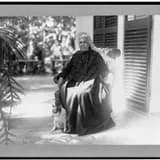
Liliʻuokalani sends a letter to President McKinley formally withdrawing her annexation protests while asserting crown land claims.
On December 18, 1898, Liliʻuokalani formally withdrew her earlier protests against the annexation of Hawaiʻi in a letter to U.S. President William McKinley.[1] While she ceased her direct challenge to annexation, she continued to assert claims to Hawaiian crown lands and sought compensation for their seizure.
This withdrawal did not signify acceptance of the overthrow as just; rather, it reflected strategic recognition that annexation had already been accomplished and that further protests might yield little political change.[1] By shifting her focus to property rights and compensation, she pursued more narrowly framed legal remedies within the constraints of U.S. law.
The letter is historically significant because it marks the end of her formal, diplomatic opposition to annexation at the presidential level, while highlighting her evolving legal strategy. It demonstrates the difficult choices faced by indigenous leaders seeking to balance moral opposition with pragmatic concerns.
From a women’s-history standpoint, December 18, 1898, underscores Liliʻuokalani’s ability to adapt her advocacy over time. Even in apparent retreat on one front, she continued to press for justice through other avenues, laying groundwork for her future lawsuit in the U.S. Court of Claims and maintaining the narrative that Hawaiian lands had been taken without lawful consent.[1][17]