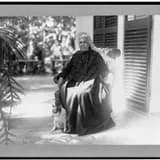
Death of Queen Liliʻuokalani at Washington Place in Honolulu, ending the life of Hawaiʻi’s last monarch.
On November 11, 1917, Queen Liliʻuokalani, Hawaiʻi’s last monarch and only queen regnant, died at her residence, Washington Place, in Honolulu at the age of 79.[1][2] Her death brought to a close a life that had spanned the kingdom’s height as a sovereign state, its overthrow, and its annexation by the United States.
By the time of her passing, Liliʻuokalani was widely regarded by Native Hawaiians as a symbol of national identity and perseverance. She had continued to advocate for her people through music, writing, legal petitions, and the creation of the Queen Liliʻuokalani Trust.[1][7] Her funeral and memorial observances reflected deep public affection and respect.
Her death marked the end of the aliʻi monarchy’s direct line but not the end of Hawaiian claims to history, land, and sovereignty. Subsequent generations would draw on her autobiography, songs such as "Aloha ʻOe," and her recorded protests as foundational texts in movements for Hawaiian self-determination.[13][17]
In women’s history, November 11, 1917, stands as the closing chapter of one of the world’s few 19th-century woman sovereigns who led an internationally recognized nation. Liliʻuokalani’s life and death continue to inspire scholarship, art, and activism, reminding audiences of the complex intersections of gender, indigenous leadership, and empire.