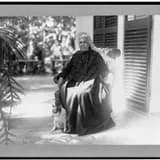
Liliʻuokalani signs the trust deed creating the Queen Liliʻuokalani Trust for orphaned and destitute Native Hawaiian children.
On October 10, 1917, just weeks before her death, Liliʻuokalani executed a trust deed creating what became the Queen Liliʻuokalani Trust, dedicating much of her remaining estate to the care and education of orphaned and destitute children of Hawaiian blood.[1][12][17] This act translated her lifelong concern for her people into a permanent philanthropic institution.
The trust provided for the establishment of programs and services supporting Native Hawaiian children, with trustees charged to administer assets for their welfare. By committing lands and resources to this mission, she ensured that her legacy would extend beyond political leadership into social and educational uplift.[12]
Historically, the trust is one of the earliest large-scale, indigenous-led charitable foundations in Hawaiʻi. It reflected Liliʻuokalani’s belief that, despite the loss of sovereignty, investment in the next generation could help preserve Hawaiian culture, language, and dignity.[1][13] The Queen Liliʻuokalani Trust continues to operate in the 21st century, serving thousands of children and families.
For women’s and indigenous history, October 10, 1917, is a sentinel moment of visionary activism. A deposed queen used the legal tools of the very system that displaced her to secure ongoing support for her people’s most vulnerable members. Her trust stands as a model of how women leaders convert personal estates into collective resources, embodying aloha and kuleana (responsibility) in institutional form.