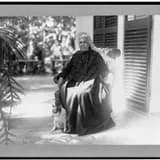
Birth of Lydia Liliʻu Loloku Walania Kamakaʻeha (Queen Liliʻuokalani) in Honolulu, Oʻahu, Kingdom of Hawaiʻi.
On September 2, 1838, Lydia Liliʻu Loloku Walania Kamakaʻeha, later known worldwide as Queen Liliʻuokalani, was born in Honolulu, Oʻahu, in the independent Kingdom of Hawaiʻi.
Born into a high-ranking aliʻi (noble) family, she was the biological daughter of Chief Caesar Kapaʻakea and Analea Keohokālole, and, in keeping with Hawaiian custom, was hānai (informally adopted) by Abner Pākī and Laura Kōnia, relatives who raised her as their own.[1][2] This dual kinship placed her at the center of intersecting noble lineages and prepared her for potential political responsibility.
Her birth occurred at a pivotal time when the Hawaiian Kingdom was engaged in complex diplomacy with imperial powers yet remained a recognized sovereign state.[1][2] As she grew, she would be educated in both Hawaiian traditions and Western-style missionary schools, learning English, music, and statecraft.[1] These early experiences shaped her later commitment to defending Hawaiian sovereignty and culture.
The significance of this birth lies not only in the arrival of Hawaiʻi’s future first and only queen regnant, but also in the emergence of a leader who would later confront U.S. expansion, author a landmark autobiography, and leave a lasting legacy of advocacy and philanthropy for Native Hawaiian people.[1][2][7]