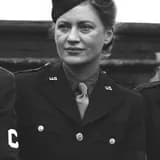
On 25 August 1944, Lee Miller photographs the liberation of Paris, capturing both public celebration and the scars of occupation.
On 25 August 1944, Allied forces completed the liberation of Paris, ending four years of German occupation. Lee Miller was in or near the city at this time, photographing the jubilant scenes of liberation, the reappearance of public life, and the complex mix of joy, grief, and reckoning that followed.
Miller’s images from liberated Paris include crowds in the streets, the re‑hoisting of French flags, collaborations between Resistance fighters and regular troops, and portraits of figures such as Picasso, whom she visited and photographed as the city regained its cultural breath. Her photographs and writing emphasized both celebration and the scars of occupation—food shortages, damaged buildings, and the emotional impact of purges aimed at collaborators.
Historically, Miller’s coverage of the 25 August 1944 liberation is significant because it recorded one of the war’s symbolic turning points through a female photographer’s lens. Paris had been central to her earlier artistic development; returning as a war correspondent allowed her to document its transformation from occupied capital to renewed center of art and politics. Her work contributes to a visual archive that links Surrealism’s prewar dreams with the harsh realities and tentative hopes of post‑liberation Europe.