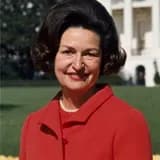
LBJ signed the Highway Beautification Act of 1965, 'Lady Bird's Bill,' after her sustained lobbying to regulate billboards and beautify federal highways.
On October 22, 1965, President Lyndon B. Johnson signed the Highway Beautification Act of 1965, legislation so closely associated with the First Lady's personal advocacy that it became popularly known as "Lady Bird's Bill."
The act regulated billboard placement and required landscaping and junkyard screening along the burgeoning U.S. Interstate Highway System, reflecting Lady Bird Johnson's deeply held belief that natural beauty and well-planned public spaces were essential to Americans' quality of life, not mere luxuries. She lobbied members of Congress directly, hosted a White House Conference on Natural Beauty in May 1965 to build public and political momentum, and worked closely with legislators to overcome fierce opposition from the outdoor advertising and billboard industries.
Historians widely regard this campaign as the first major legislative initiative driven substantially by a First Lady's personal advocacy, a landmark departure from the traditionally apolitical or purely ceremonial role of presidential spouses. Though the law's enforcement mechanisms were later weakened by subsequent amendments and funding fights, its passage established a template for First Ladies to pursue independent legislative agendas, directly influencing later initiatives such as Betty Ford's breast cancer awareness advocacy and Michelly Obama's Let's Move campaign. It remains Lady Bird Johnson's single most celebrated policy legacy.