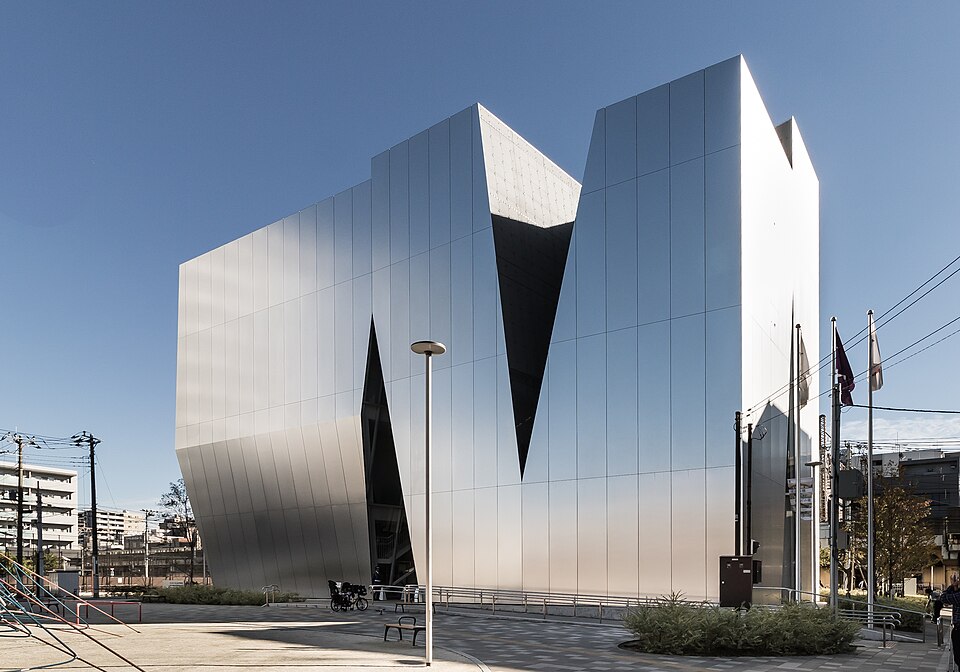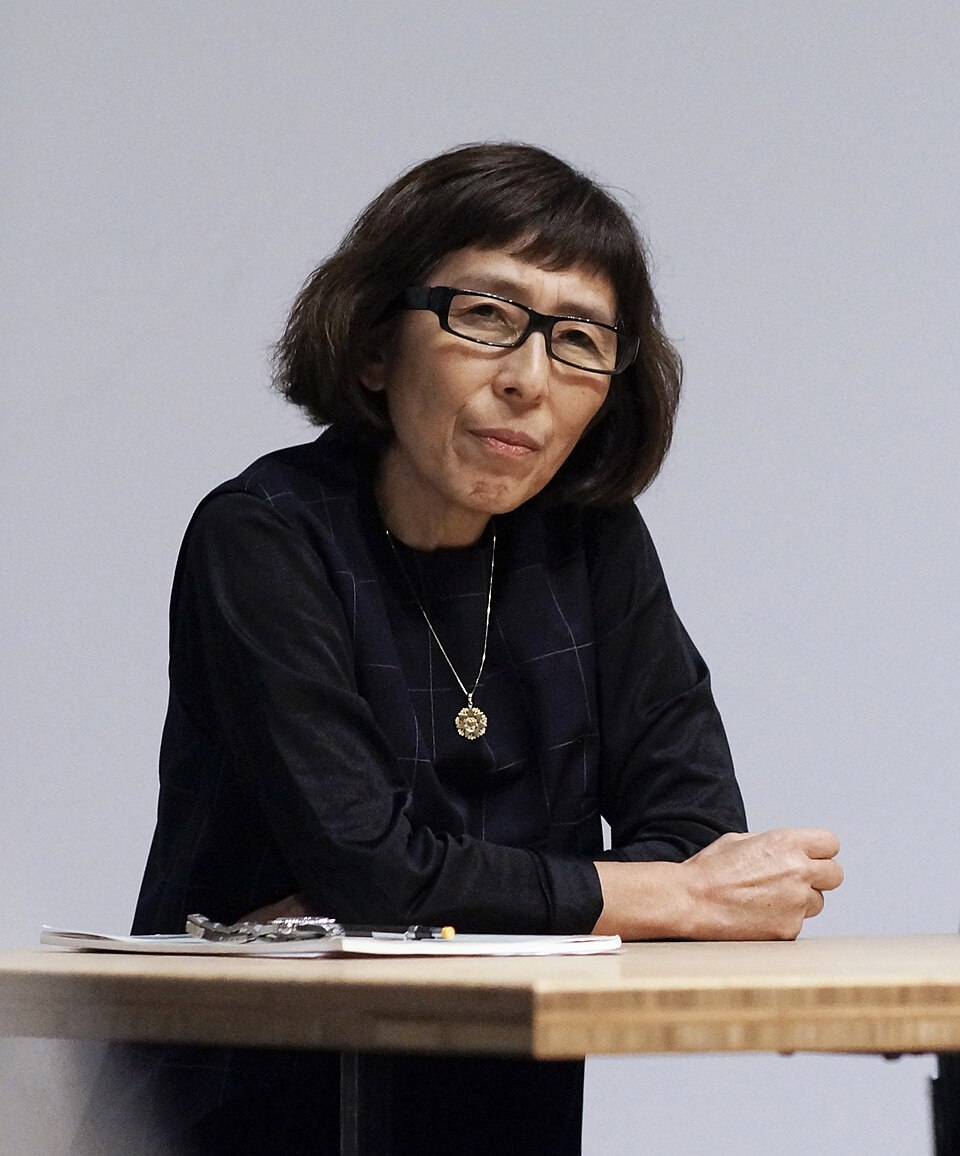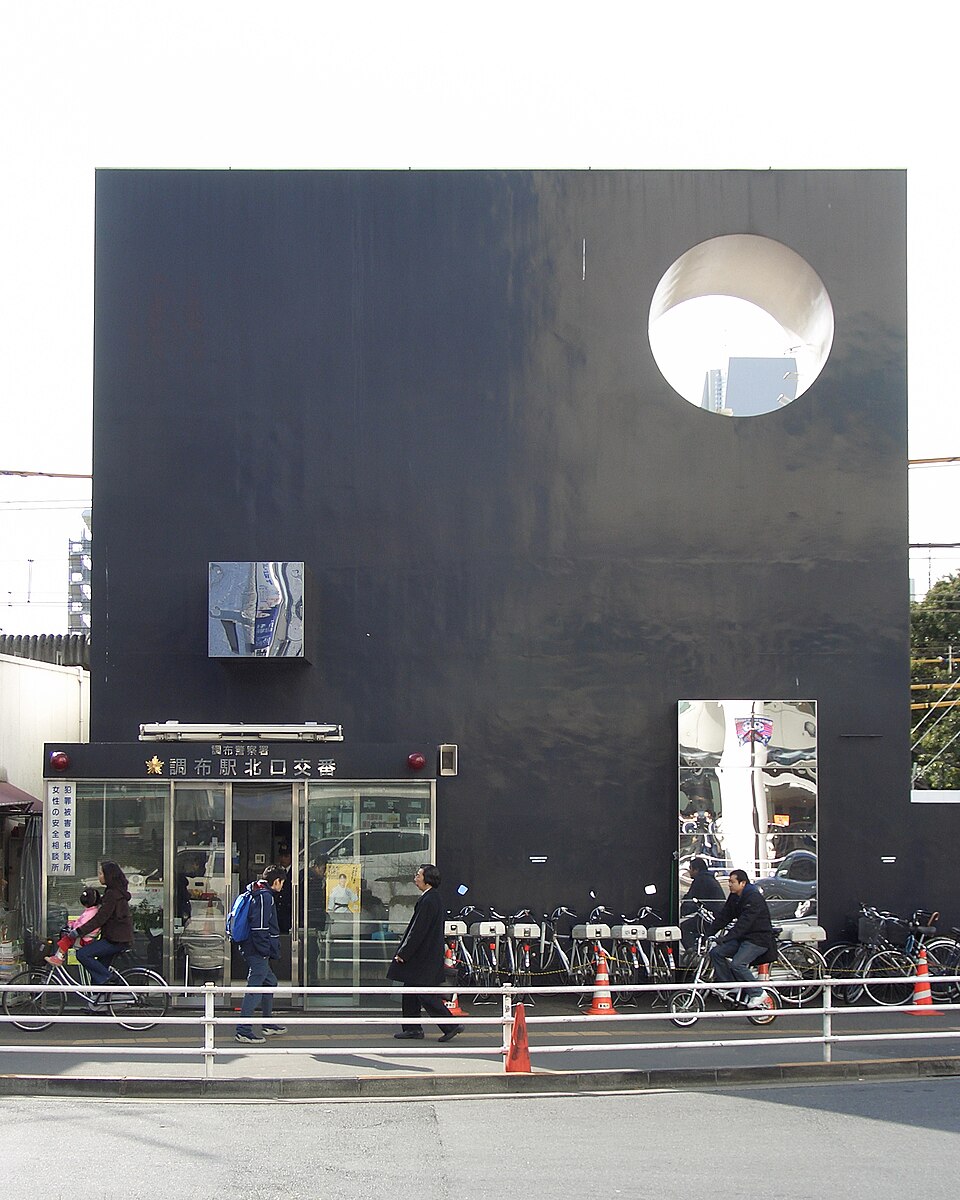
Kazuyo Sejima was born in Ibaraki Prefecture, Japan, later becoming one of the country's most internationally renowned architects.
Kazuyo Sejima was born on October 29, 1956, in Ibaraki Prefecture, Japan, a rural region north of Tokyo. Her upbringing in postwar Japan coincided with a period of rapid national reconstruction and modernization, during which architecture played a central role in redefining Japanese identity and urban life.
Sejima would go on to study architecture at Japan Women's University, one of the few institutions at the time actively encouraging women to pursue technical and design-based professions. Her early exposure to both traditional Japanese spatial concepts and the modernist reconstruction sweeping the country shaped her later architectural philosophy, which emphasizes lightness, transparency, and fluid relationships between interior and exterior space.
Her birth in a modest provincial setting rather than a major urban center is often noted in biographical accounts as contributing to her distinctive, non-hierarchical approach to design—one that resists monumental gestures in favor of democratic, human-scaled spaces. She would later become the second woman in history to win the Pritzker Architecture Prize, cementing a legacy that began in this small corner of Japan.
Images