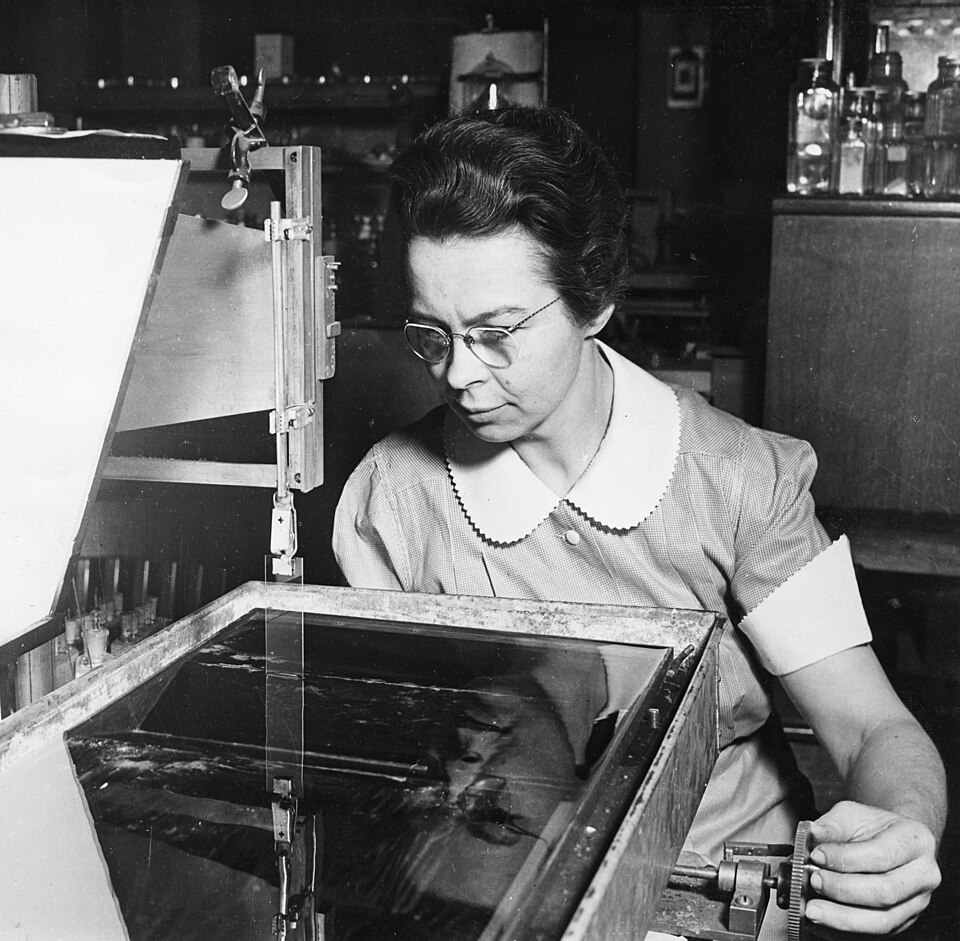
Katharine Burr Blodgett is born in Schenectady, New York, on January 10, 1898, the future pioneer of invisible glass and surface chemistry.
Katharine Burr Blodgett was born on January 10, 1898, in Schenectady, New York, into a family whose fortunes were closely tied to the emergence of the electrical industry and patent law. Her father, George Bedington Blodgett, was a patent attorney for General Electric (GE), and his early death when she was an infant left a lasting imprint on her life story.
Growing up in a household led by her mother, Katharine Buchanan (Burr) Blodgett, she experienced both the constraints and expectations placed on middle‑class American girls at the turn of the 20th century, while also being encouraged to pursue education and intellectual work. The proximity of Schenectady to GE’s expanding industrial and research operations meant that Blodgett literally came of age in a city shaped by cutting‑edge technology and corporate science.
This birthdate is historically significant because Blodgett would go on to become a pioneering physicist and chemist, the first woman to earn a PhD in physics from the University of Cambridge and the first woman scientist at the GE Research Laboratory. Her later invention of nonreflecting “invisible” glass and her contributions to surface chemistry and thin‑film technology profoundly influenced optics, photography, military equipment, and everyday consumer products. The story of her life, beginning on this winter day in 1898, illuminates the broader history of women’s slow but consequential entry into industrial research and academic physics.
Images