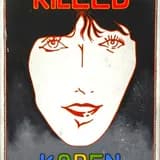
By November 13, 1974, Karen Silkwood is later remembered as America’s first nuclear whistleblower for exposing Kerr-McGee safety violations.
By November 13, 1974, the date of her fatal crash, Karen Silkwood was widely recognized—later described by advocacy groups and journalists—as America’s first nuclear whistleblower. This characterization reflects her efforts to document and expose safety violations and possible quality-control fraud in a plutonium fuel fabrication plant.
While formal government records do not confer such a title, the National Whistleblower Center and later media accounts have repeatedly framed Silkwood as the first prominent U.S. worker to challenge the nuclear industry from within, bringing internal documents to regulators and the press. Her contamination, testimony to the Atomic Energy Commission, and planned delivery of evidence to a New York Times reporter underscored her role as a whistleblower in the modern sense: an insider risking career and personal safety to reveal information in the public interest.
Historically, this status is crucial in shaping narratives about nuclear power, corporate accountability, and worker rights. Silkwood’s story became a touchstone in debates over protections for those who expose wrongdoing, and her name is frequently invoked in discussions of whistleblower law, ethics, and regulation. Though other individuals had raised concerns about nuclear facilities earlier, her case reached a level of national visibility that set a precedent for how nuclear whistleblowing would be understood.
In women’s history, being remembered as America’s first nuclear whistleblower places a young female laboratory technician at the center of a major technological and political controversy. It highlights how women workers, often overlooked in technical fields, could become pivotal figures in challenging powerful industries and influencing public policy.