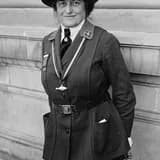
The first American Girl Guides/Scouts troop met at the Louisa Porter Home in Savannah, reciting the Promise and Law for the first time.
Also dated to March 12, 1912, sources describe the first organized meeting of the new troop taking place at the Louisa Porter Home for widows and orphans in Savannah, where the girls formally recited the Girl Guide/Scout Promise and Law for the first time on American soil. This ceremonial recitation marked the establishment of a shared code of conduct emphasizing trustworthiness, loyalty, helpfulness, and courage.
This foundational meeting set the template for subsequent troop meetings across the growing organization: structured activities combining outdoor skills, badge work, civic service, and character education. It represented a genuine institutional first for American girlhood—no comparable national organization for girls, with standardized values, badges, and activities, had previously existed in the United States.
The choice of venue, a home serving vulnerable women and children, was itself significant, reflecting Low's inclusive vision that scouting should serve girls of all social backgrounds, not merely the wealthy elite to which she herself belonged. This inclusive ethos distinguished the Girl Scouts from many contemporary women's clubs and associations, which often excluded working-class or minority girls, and helped set the organization on a path toward the broad, cross-class membership it maintains to this day.